
Blog
Notes on learning music
Practical tips, Suzuki insights, and encouragement for families growing in music together.
- Instrument Care
Caring for a Violin or Viola in North Carolina Weather
How humidity and heat affect a violin or viola, what North Carolina weather does to one, and everyday habits that keep it safe all year.
- Practice and Performance
Practicing the Way Memory Works: Lessons from Make It Stick
What the book Make It Stick says about memory, what studies of musicians found, and ways to make home practice last.
- Practice and Performance
Stage Nerves and the Inner Game: Preparing to Perform
What the Inner Game books teach about nerves, what research says about stage fright at every age, and how to prepare for a recital at home.
- Instrument Care
How to Tune a Violin or Viola
The notes a violin or viola is tuned to, how pegs and fine tuners work, and how to tune at home without slipping a peg or breaking a string.
- Practice and Performance
The Alexander Technique for String Players
What the Alexander Technique is, what happens in a lesson, two things violin and viola students can try, and what research has found so far.
- Learn about the Suzuki Method
Listening at Home: How Suzuki Families Use the Recordings
Why listening is at the center of the Suzuki method, how families fit the recordings into the day, and what research says about learning by ear.
- Learn about the Suzuki Method
Suzuki Violin Book 1: The Pieces and What They Teach
The seventeen pieces of Suzuki Violin Book 1 in order, the skills they build, and why Suzuki students keep reviewing old pieces and listening every day.
- Getting Started
Switching from Violin to Viola
What carries over when a violinist picks up the viola, and what changes: the size, the bow, the low C string, the alto clef, and the part you play.
- Getting Started
Violin, Viola, Cello, or Bass? A Guide to the String Family
How the violin, viola, cello, and double bass differ in size, sound, tuning, and the music they read, to help your family choose an instrument.
- Getting Started
The Parts of the Violin and Bow
The names of the main parts of a violin and bow, from the scroll and pegs to the bridge, sound post, frog, and tip, and what each one does.
- Getting Started
Starting Violin as an Adult
Adults can start the violin too. How Suzuki lessons work for grown-ups, what adults find easier and harder, how to practice, and renting.
- Getting Started
What to Expect at Your Child's First Violin Lesson
What happens before, during, and after a first Suzuki violin lesson, from booking a free trial to listening and practice at home.
- Getting Started
Should You Rent or Buy a Violin?
Children move up through violin sizes as they grow, so many families rent first. What to ask a shop, what makes a violin playable, and when buying makes sense.
- Getting Started
What Age Should My Child Start Violin?
Many Suzuki programs start children at three or four, and it is never too late to begin. Here is what readiness looks like and what early lessons involve.
- Learn about the Suzuki Method
Suzuki or Traditional Violin Lessons?
Suzuki and traditional lessons differ most at the start: when reading begins, how much parents take part, and how pieces are learned. Plus how to choose.
- Getting Started
How to Choose the Right Violin Size
Violin sizes run from the tiny 1/16 to full size, 4/4. A size chart to start from, how a teacher checks the fit in person, and what to do between sizes.
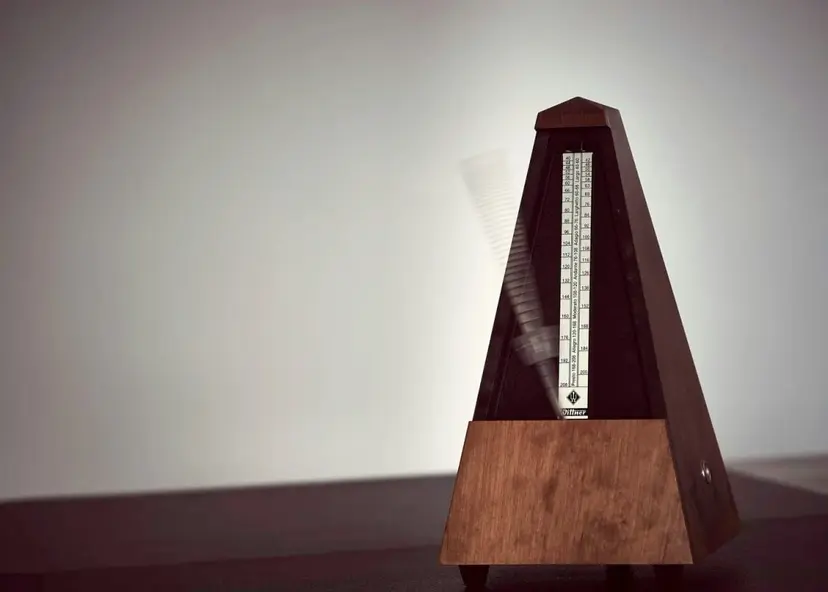
The Violinist's Toolkit, Part 3: The Metronome
How to practice violin with a metronome: start slow, work up to performance tempo, plan bowing and fingering for that tempo, and the metronome and app we use.
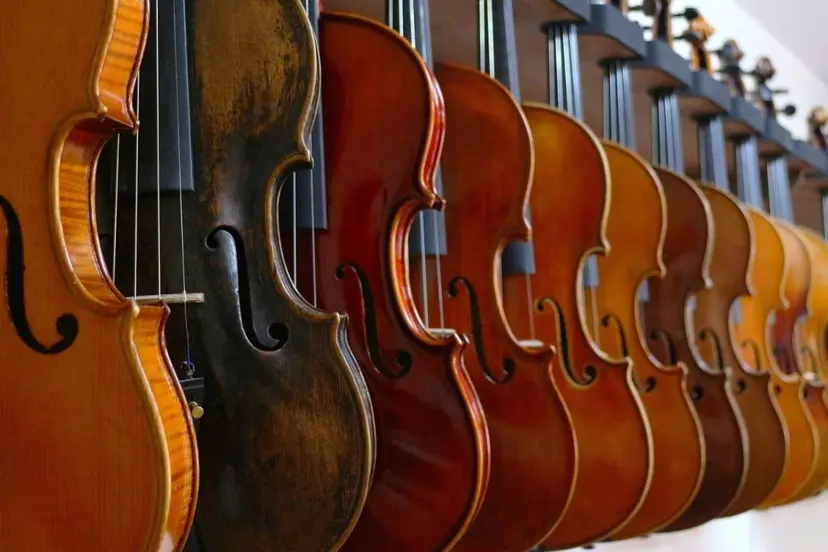
The Violinist's Toolkit, Part 2: Spare Violin Strings
Why every violin case needs spare strings, which strings suit beginners, why never to remove all four strings at once, and the sets our teachers use.
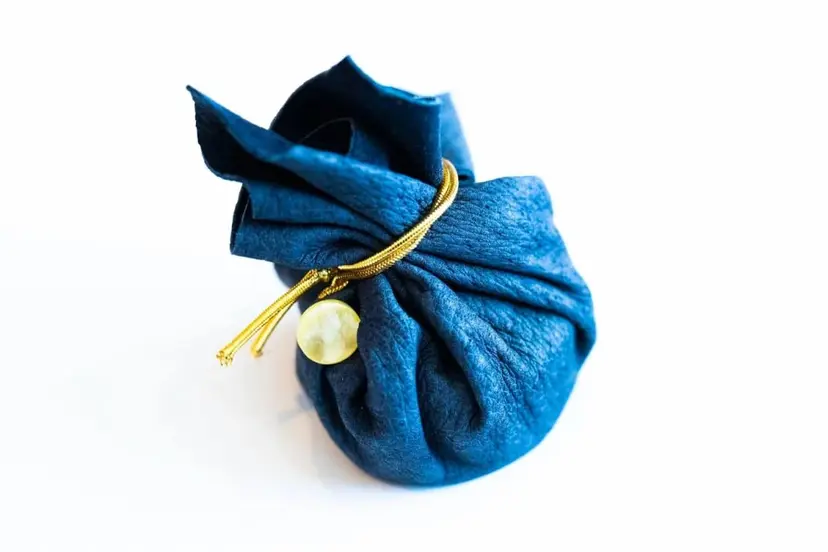
The Violinist's Toolkit, Part 1: Rosin
What rosin does for your bow and sound, how to match rosin to your violin and the weather, and the four rosins our teachers use in lessons and performance.
Strategies for Balance: Violin Practice and School Homework
How to fit violin practice and homework into one school day: a set schedule, short practice sessions, small weekly goals, a quiet space, and regular breaks.
The Rhythms of Learning: How Suzuki Violin Lessons Enhance Cognitive Development
How violin lessons exercise memory, attention, and problem solving, and how Suzuki teaching builds emotional awareness, confidence, and teamwork.
Beyond the Bow: Cultivating Life Skills Through Violin Lessons
Three skills violin lessons build: resilience from working through hard passages, focus in lessons and practice, and teamwork from playing in a group.
Unveiling the Harmony: The Essential Role of Music Theory in Musical Education
Why music theory belongs in lessons: it helps students read and understand what they play, improvise, work with other musicians, and play with more expression.
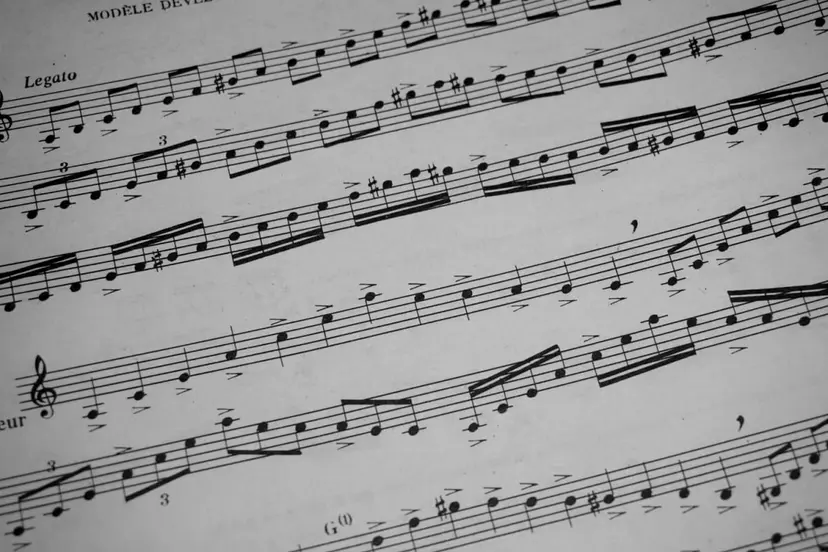
More Than By Ear: The Suzuki Method and Music Notation
Do Suzuki students learn to read music? Yes. How we teach reading alongside ear training from the start, and the apps, website, and book we recommend.
How Can You Determine If a Music Teacher is Good?
Signs of a good music teacher: skill, patience, clear explanations, and care for each student's growth. How to check: recommendations, recitals, a trial lesson.
How Often Should You Have Music Lessons?
For most beginners, we recommend one lesson a week and practice on most days. Here is how we think about lesson frequency, make-ups, summer, and busy schedules.
Practice Makes Progress: Effective Violin Practice Techniques for Beginners
Violin practice tips for beginners: a quiet space, short frequent sessions, small goals, warm-ups, recordings that show progress, and getting past frustration.
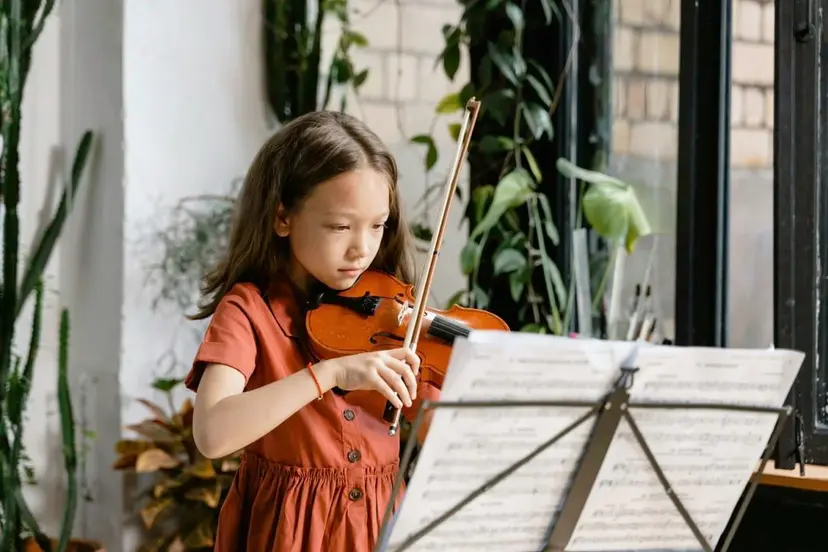
The Parent's Guide to Supporting Young Violinists
How to support a young violinist: a quiet practice space, a regular schedule, celebrating small steps, attending lessons and recitals, and praising effort.
- Learn about the Suzuki Method
What is the Suzuki Method?
The Suzuki method teaches music the way children learn to talk: by listening, copying, and practicing with a parent. Here is how it works on violin and viola.


Ready to make music with us?
Book a free trial lesson, or register for violin or viola lessons or a group class, and we will help you find the right start.